History Hub

HistoryHub

Connecting past and present

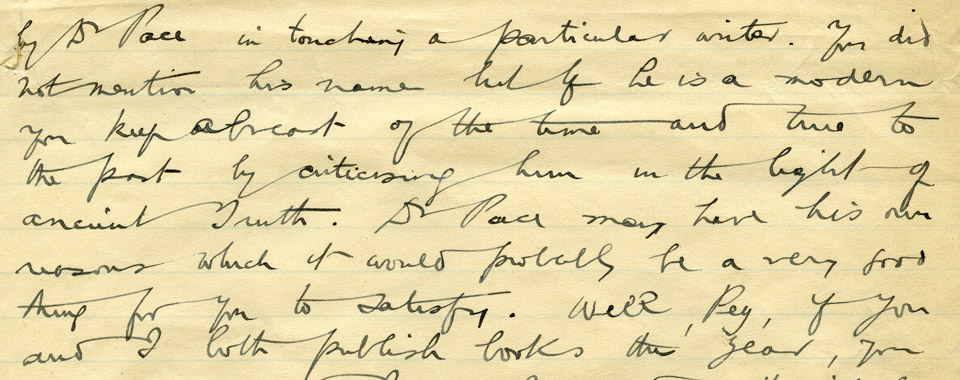
Terence MacSwiney letter

Terence MacSwiney Letter (January 30 1914)

The first of a monthly series of ‘From the Archives’ documents, (Revolutionary Decade Archival Collection) finds a 35 year old Terence MacSwiney writing to his sister Margaret (Peg), a nun then living in America and working as a teacher while writing a doctoral dissertation on the German philosopher and Nobel laureate, Rudolf Eucken.
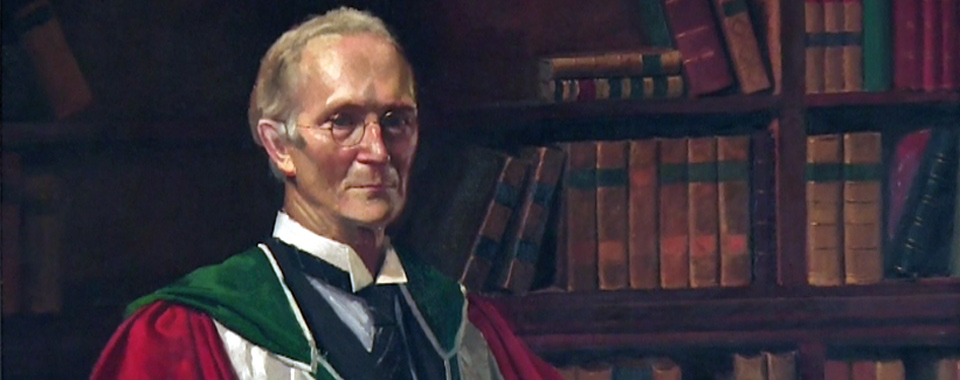
Detail from a portrait of Eoin MacNeill painted by Sean O'Sullivan (1941).

The Scholarly Legacy of Eoin MacNeill

In this post, as part of the Eoin MacNeill: Revolutionary and Scholar series, a special documentary on the scholarly legacy of Eoin MacNeill. The audio piece – Eoin MacNeill: Revolutionary Scholar? – includes interviews with Dr Elva Johnston (UCD School of History and Archives) and Prof Dáibhí Ó Cróinín (Department of History, NUIG).

LA30/PH/393. Group portrait of released 1916 prisoners outside Mansion House, Dawson Street, Dublin. © University College Dublin, National University of Ireland, Dublin, and Keogh Bros. Ltd (original image).

The legacy of Eoin MacNeill

Regardless of the effectiveness of his leadership, MacNeill’s decisive role in the formation of the Volunteers is a significant legacy and given that the Volunteers metamorphosed into the IRA that fought the war of independence, his stance on violence is particularly worthy of assessment.

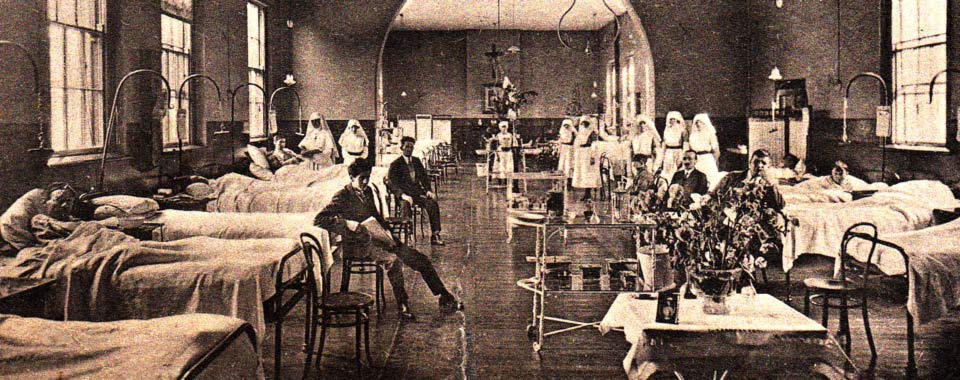
St Patrick's Ward, Vincent Hospital

The Curse of the Irish Hospitals’ Sweepstake

Why did the Irish health service develop in the way that it did? How did small, local hospitals become so important? And was the policy focus misplaced on hospitals rather than on people’s health? In this paper Mary E. Daly argues that the Irish health service has been shaped by historical forces, some of which are now largely forgotten, even though their legacy is evident in today’s health service and in current policy debates.

Scroll to Top